
Twinsburg, OH · Garage Door Service
Why Garage Doors in Twinsburg Let the Cold In
Twinsburg homes built 1938-2004 face cold-climate drafts through worn garage door seals. See why aging weatherstripping fails and what stops the cold.
- Repairs & new doors
- Springs & openers
- Serving 7 nearby communities
The Situation
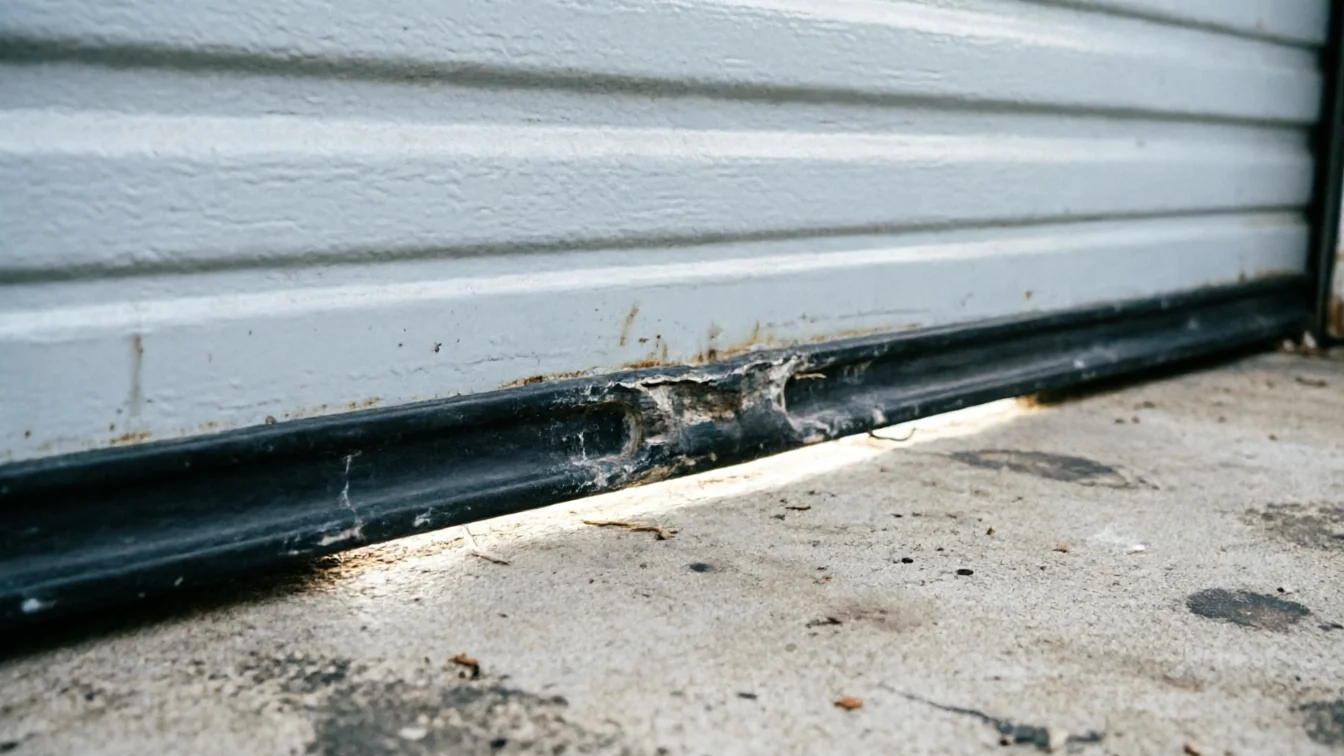
Housing in this part of Ohio went up mostly between 1938 and 2004, with the median build year sitting around 1967. That matters more than people think when it comes to the bottom seal and side weatherstripping on a garage door. A door hung in 1968 on a house that's never had the seal track touched is still doing the same job it was doing fifty-some years ago, just worse every winter. Across the 55 named areas that make up this service territory, the 1960s and 70s stock is the dominant style - single-layer steel panels, thin aluminum bottom astragal channels, and seals that have outlived three or four re-caulking jobs on the slab itself. The gap under the door grows as the slab settles and the seal compresses flat. You don't always see it. You feel it as a cold strip across the garage floor, or notice the hose test after a hard rain. It's not usually the opener, the track, or the springs - it's a few dollars of rubber that nobody's replaced since the Carter administration.
What Most People Get Wrong
The common mistake is assuming a draft means the whole door is failing, so people start pricing full replacements when a seal kit would've solved it. The other common mistake runs the other way - swapping the bottom seal and calling it done, when the side and top weatherstripping on a door from that same 1960s-70s building wave has gone brittle too, and cold air works around the sides just as easily as under the bottom. On houses from the 1938-2004 range, the seal track itself is sometimes the real problem: it's rusted, bent, or was never sized for today's thicker astragal. You can put a new seal in an old track and watch it fail again in a season because it's not seated right. People also skip the slab. If the garage floor has settled or cracked near the door opening, no seal is going to close that gap on its own - you need a threshold seal on the floor side, not just the door side.
How Local Conditions Play In
This area sits in a cold climate band rated severe, which means the seal isn't just blocking a breeze - it's holding back real temperature swings and the ice and snowmelt that come with them. A worn seal lets meltwater track in under the door and refreeze overnight, which then wedges the door and stresses the bottom panel. That cycle repeats all winter. The towns around here - Reminderville two miles off, Glenwillow and Macedonia a few more, Oakwood, Northfield, Aurora, and the rest out through Bedford, Brecksville, and Streetsboro - sit in the same band, so a door built in that same 1960s-70s wave in any of them is fighting the same battle. With 93,334 owner-occupied houses across the service area and a median household income of $95,313, most of these are owned, lived-in homes where a cold garage means a cold mudroom wall or a frozen pipe risk, not just an inconvenience. The fix has to account for the cold, not just the gap - a seal rated for severe cold holds its flexibility instead of cracking the first hard freeze.
Leaving It Alone
Here's the honest part: a new seal won't fix a door that's out of square, and it won't fix a slab that's heaved enough to leave a half-inch gap on one side. If the track is rusted through or the bottom panel is bent from being driven into ice, seal replacement is a band-aid and you'll be back here next winter. We also don't stock every seal profile for every door era on the truck - some of the older astragal sizes from the 1938-2004 build range take a day or two to get in. If your door is original to a house built in the 1960s, it's worth asking whether the panel itself still seals flat against the jamb before spending money on rubber. Sometimes the honest answer is that the door's earned its retirement, and a seal kit is just delaying the real job.
Frequently asked questions
Why does cold air come in under my garage door even though the seal looks fine?
The seal can look intact and still have lost its flex, especially on doors from the 1960s-70s building wave common here. Cold-rated rubber hardens with age and severe winters speed that up. It stops compressing against the slab even though it hasn't visibly cracked, so you lose the seal without any obvious sign.
Is a seal replacement enough, or do I need a new door?
Depends on the track and the panel. If the seal track is straight and the bottom panel isn't bent or rusted through, a new seal usually solves it. If the door's out of square or the slab has settled unevenly, a seal alone won't close the gap and you're better off pricing the door.
How often should weatherstripping get replaced in this climate?
There's no fixed number in the facts we work from, but severe cold cycles break down rubber faster than a mild climate would. If your door is original to a house built decades ago and the seal's never been touched, it's well past due.
Related garage door services in Twinsburg
More garage door guides
Book garage door service in Twinsburg
Call now or request a quote - tell us what the door is doing and where you are.